Back to InsightsDisaster Resilience
GIS in Disaster Management: A Complete Guide
How GIS technology is transforming disaster management from preparedness to recovery.
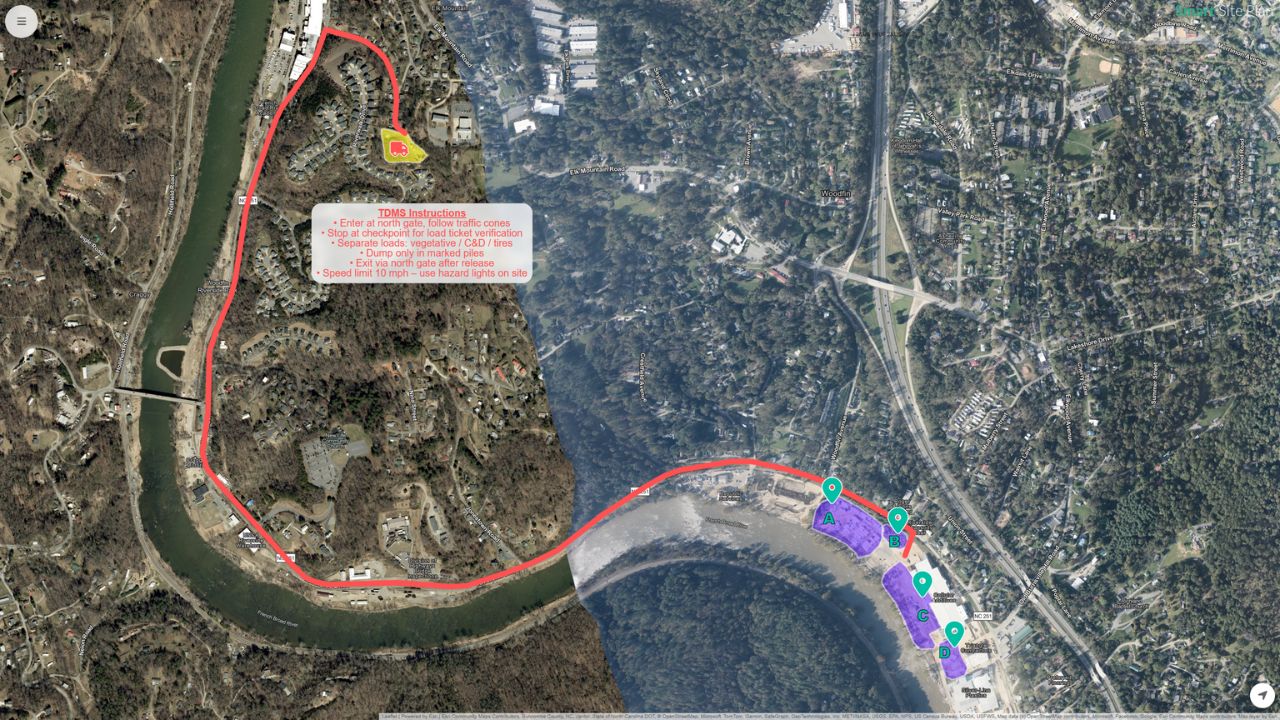
GIS has become the operational backbone of modern disaster management. From pre-event hazard modeling to real-time response coordination and post-disaster damage documentation, geospatial tools give emergency managers, government agencies, and first responders the situational awareness they need to make faster, better decisions. This guide walks through how GIS is applied at each phase of the disaster management cycle.
Key Takeaways
- Preparedness: risk maps, evacuation route planning, and critical facility inventories inform pre-event decisions
- Response: real-time incident mapping and resource tracking keep command teams coordinated across agencies
- Recovery: damage assessment maps accelerate FEMA Individual Assistance and Public Assistance applications
- Mitigation: post-event analysis identifies where future investment will have the greatest risk-reduction impact
- Accessible platforms let non-GIS staff participate in every phase without specialized training
- Cloud-based tools remain operational even when local infrastructure is compromised
Ready to Put This Into Practice?
See how Juno Maps applies to your specific industry and use case.